I recently began reading Meeting the Shadow—a book Qusai gave me so I could deepen my understanding of Shadow Work, one of the practices we use at Borderlands. I expected theory. I didn’t expect to feel personally exposed within the first few pages.
Shadow, for those unfamiliar with the term, points to the parts of us we’ve disowned—patterns, impulses, emotions we’ve learned to suppress because they didn’t fit the version of ourselves we needed to survive or succeed. They stay hidden. Until they don’t.
I’ve only read a handful of pages, yet some passages landed with such precision that I had to put the book down. Not because they were beautifully written, but because they described the exact terrain I’m standing in right now.
The year I turned fifty—also the year I marked twenty years of marriage—was supposed to look very different. Instead, I find myself navigating a season at home that feels unfamiliar, destabilising, and deeply confronting.
One passage in particular stopped me cold:
“At midlife I met my devils. Much of what I had counted as blessings became curse. The wide road narrowed; the light grew dark. And in the darkness, the saint in me, so well nurtured and well coiffed, met the sinner.”
What struck me wasn’t the drama of the words—it was their accuracy.
The very strengths that carried me through decades of building, providing, leading—clarity, structure, certainty, direction—now sit uncomfortably close to the heart of what’s unraveling. An almost-adult son angry with me for choices he believes killed his dreams. A marriage that once felt like bedrock, now on the rocks.
What once worked no longer does. And there is no workaround for that.
Another passage deepened the reckoning:
“It is common to meet the shadow at midlife, when one’s deeper needs and values tend to change direction, perhaps even making a 180-degree turn. This calls for breaking old habits, cultivating dormant talents. If we don’t stop to heed the call and continue to move in the same life direction, we will remain unaware of what midlife has to teach.”
That line—heed the call—has been echoing in me.
This phase isn’t asking me to be more positive, more patient, or more hopeful. A quiet prayer of this too shall pass won’t touch what’s being asked. Life is demanding something more honest. More embodied.
— What is my truth—now, not ten years ago?
— What kind of father am I choosing to be, beyond my intentions?
— What in my marriage is essential, and what am I clinging to out of fear?
— How have I participated—actively or passively—in creating this moment?
And perhaps most confronting of all:
— Am I willing to change patterns that once defined me, or would I rather step away?
I don’t have clean answers yet. But I do know this—any answers that matter will not come from my head alone. They will need to rise from somewhere deeper. From the gut. From the heart.
Later in the book, the language sharpens again:
“When we come face to face with our darker side, we use metaphors to describe these shadow encounters: meeting our demons, wrestling with the devil, descent to the underworld, dark night of the soul, midlife crisis.”
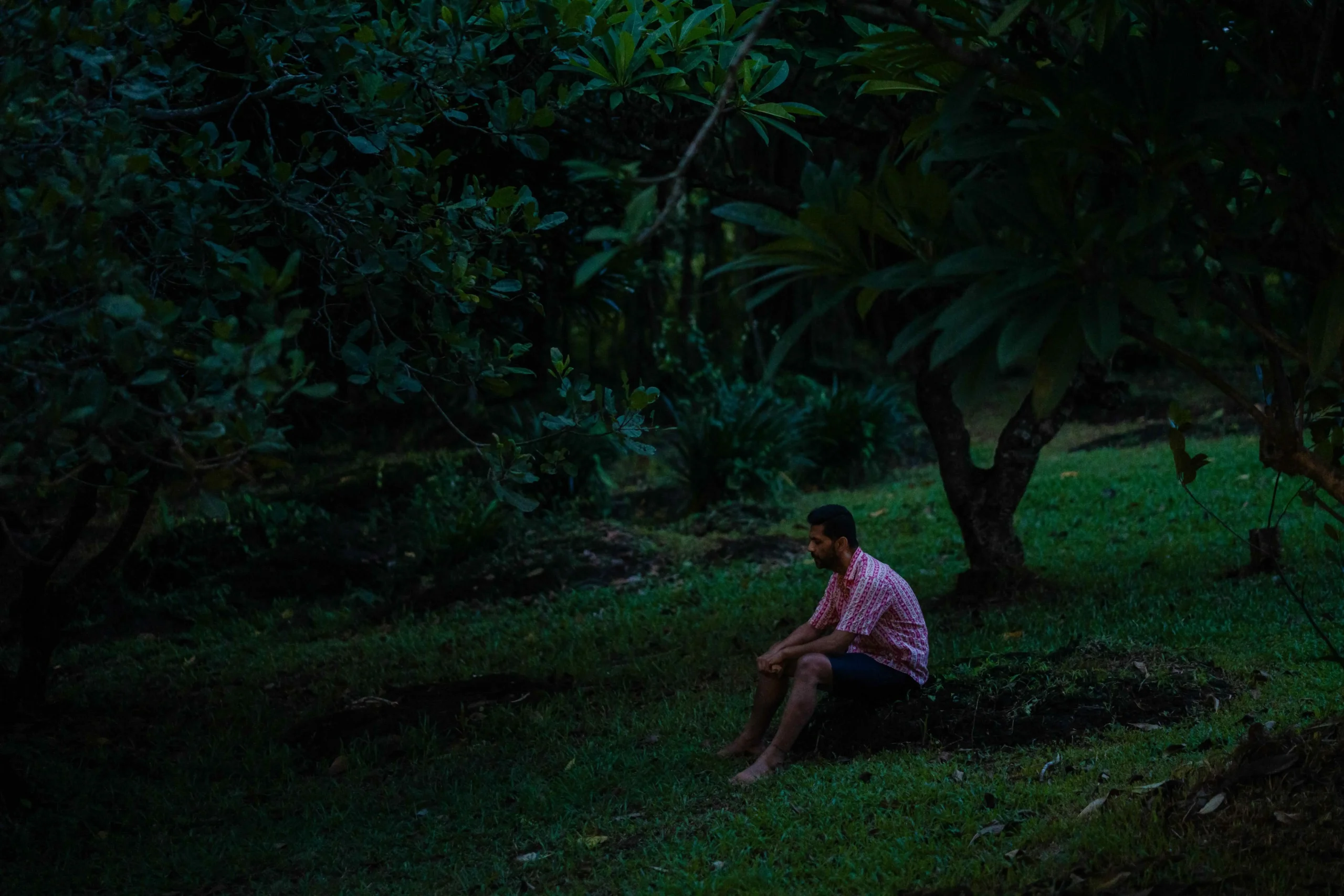
I recognise that descent. I’m in it.
And strangely, I feel both forced and ready.
Ready to meet the parts of myself I’ve outpaced with competence and control. Ready to look at how my relentless drive for clarity, timelines, and efficiency—so useful in work and life—has also drained something essential: play, softness, sensuality, wonder. The poetry of being alive.
I don’t want to abandon responsibility. I want to widen it:
To smell the roses and count them.
To dream and pay the bills.
To live with structure, without suffocating spontaneity.
When I first imagined Borderlands for men in midlife, it came from a hunch. I had moved through an earlier midlife transition and felt renewed—almost reborn. I assumed there must be other men quietly navigating similar terrain, needing space and support.
What I didn’t fully grasp then was the depth of the hunger. Or how underserved it is.
Ironically, I need Borderlands now more than ever—as I enter what feels like a second reckoning.
Over the past year, I’ve spoken with more than four hundred men—many of them accomplished, respected, outwardly successful. And a pattern is impossible to ignore. The more “successful” the man, the further he often is from his body, his emotions, his instincts, his adventurous spirit. Living almost entirely from the neck up.
In meeting expectations, providing, and performing competence, something primal has gone quiet. Intimacy thins. Vitality drops. The body stiffens. Men begin to feel old—not because they are, but because they’ve stopped feeling.
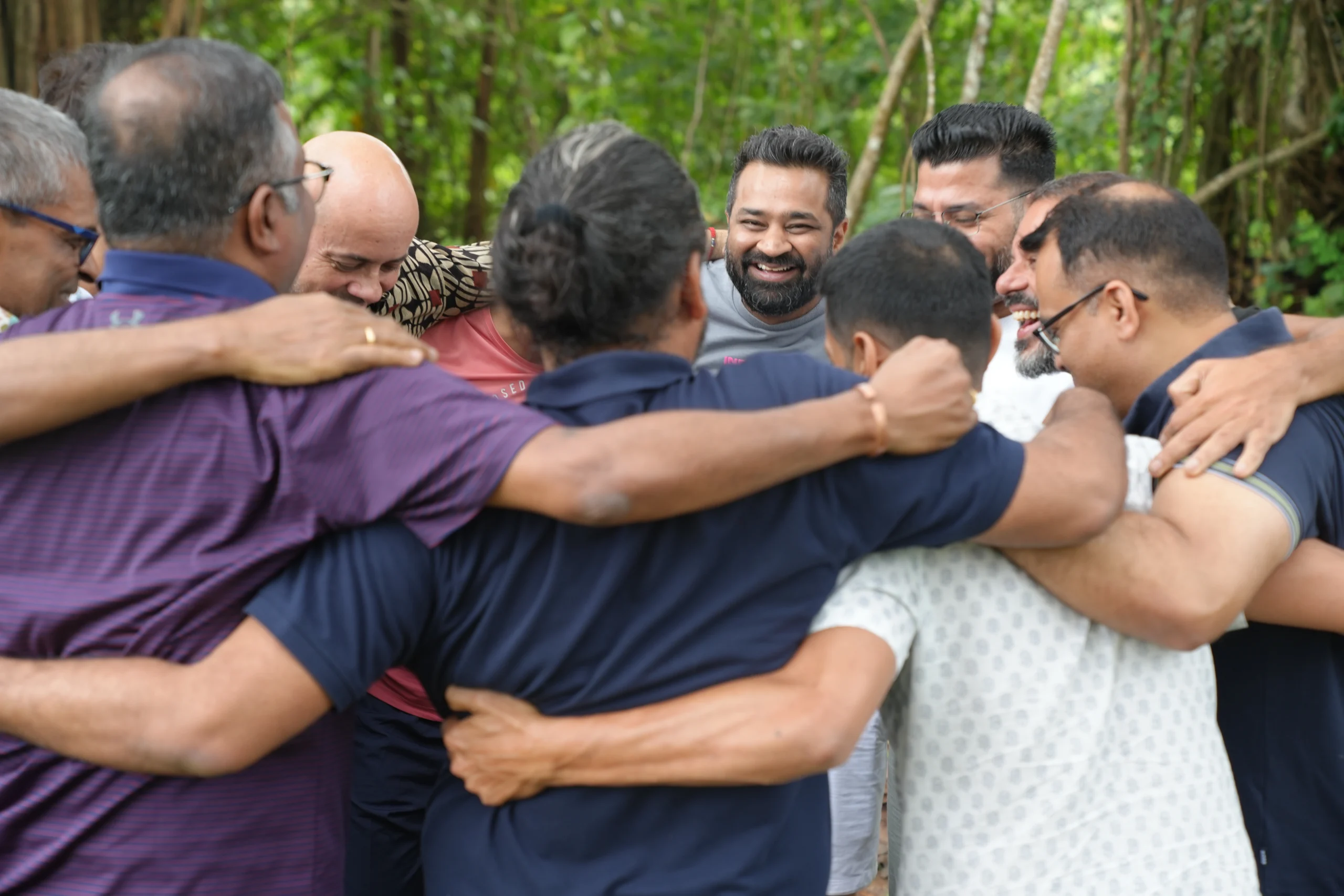
If you recognise yourself here, Borderlands isn’t an escape or an upgrade. It’s a crossing.
— A place where “I’m too old to…” is revealed for what it really is—a slow, invisible surrender.
— A place to reclaim authorship beyond roles.
— A place to rediscover the innate sense of adventure that makes us feel alive.
— To remember that midlife is not the beginning of decline, but the beginning of depth.
Midlife isn’t dry. It’s juicy. There is far more life here than we’ve been led to believe—if we’re willing to meet what we’ve avoided.
I believe that not as an idea.
I believe it in my bones.
— Mayank